We were visited by Debbie and Katie from Warwickshire Wildlife Trust. We’d asked them to come and have a look at the area we have earmarked for wildlife – for our wetland wildflower meadow and wet woodland – and give us some advice on how best to enhance the area to attract and accommodate the largest number of species. The Trust is currently working to improve the catchment of the River Sherbourne and involve local people in its renewal. As our waterlogged land sits between a medieval well and the Sherbourne, with old maps appearing to show a tributary running through the site, it feels like a good fit.
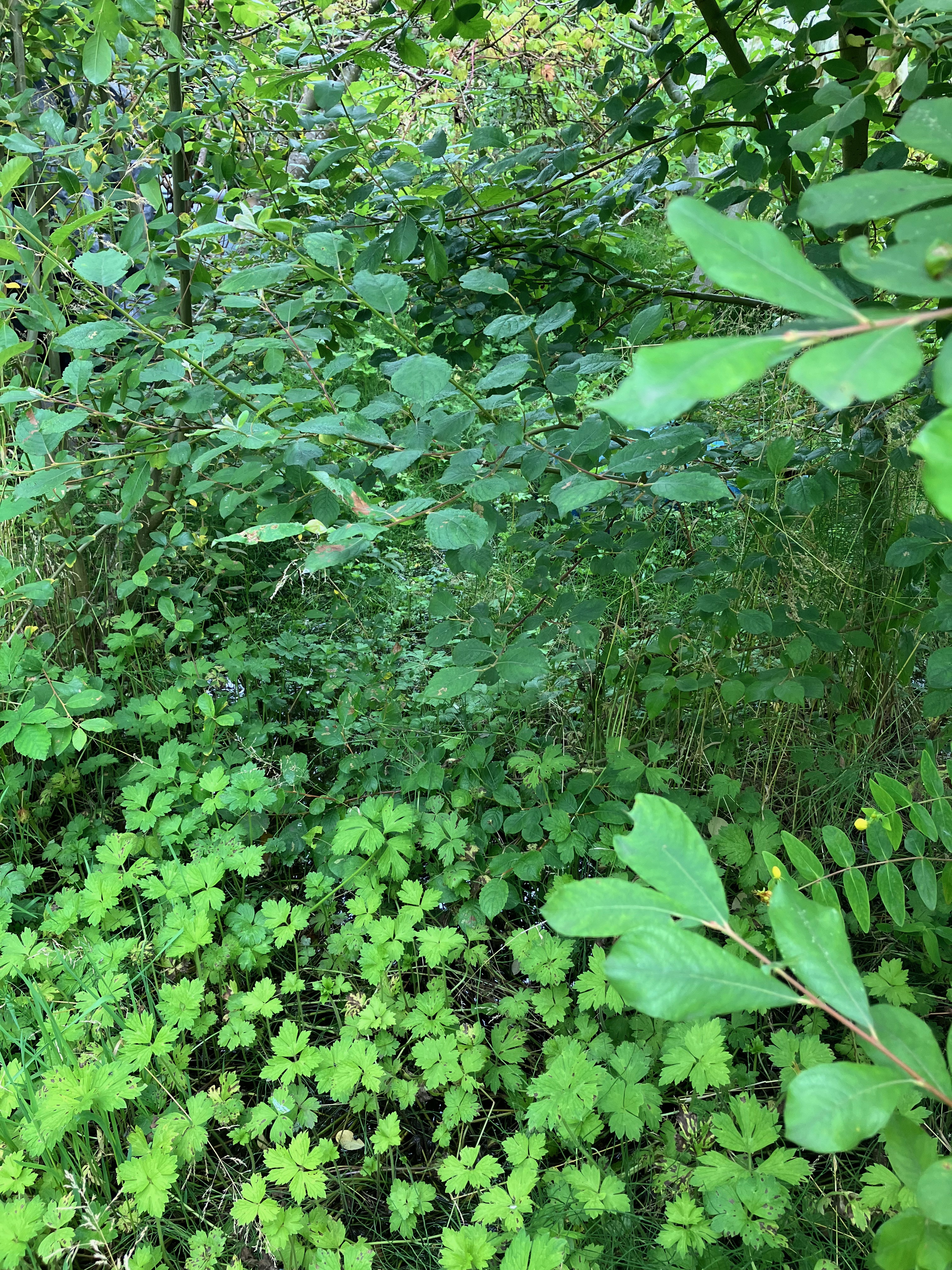
Thanks to the consistently wet weather during Autumn/Spring, the height of the foliage (now grasses, willowherbs and creeping thistle dominate, whereas earlier in the year it was the creeping buttercup) is really tall – easily shoulder-height. There is still a good 10-15cms of surface water in the lowest lying places. In the hole we dug earlier in the year on ‘dry’ ground, water sits in it to a level that is about 15cm below soil level.
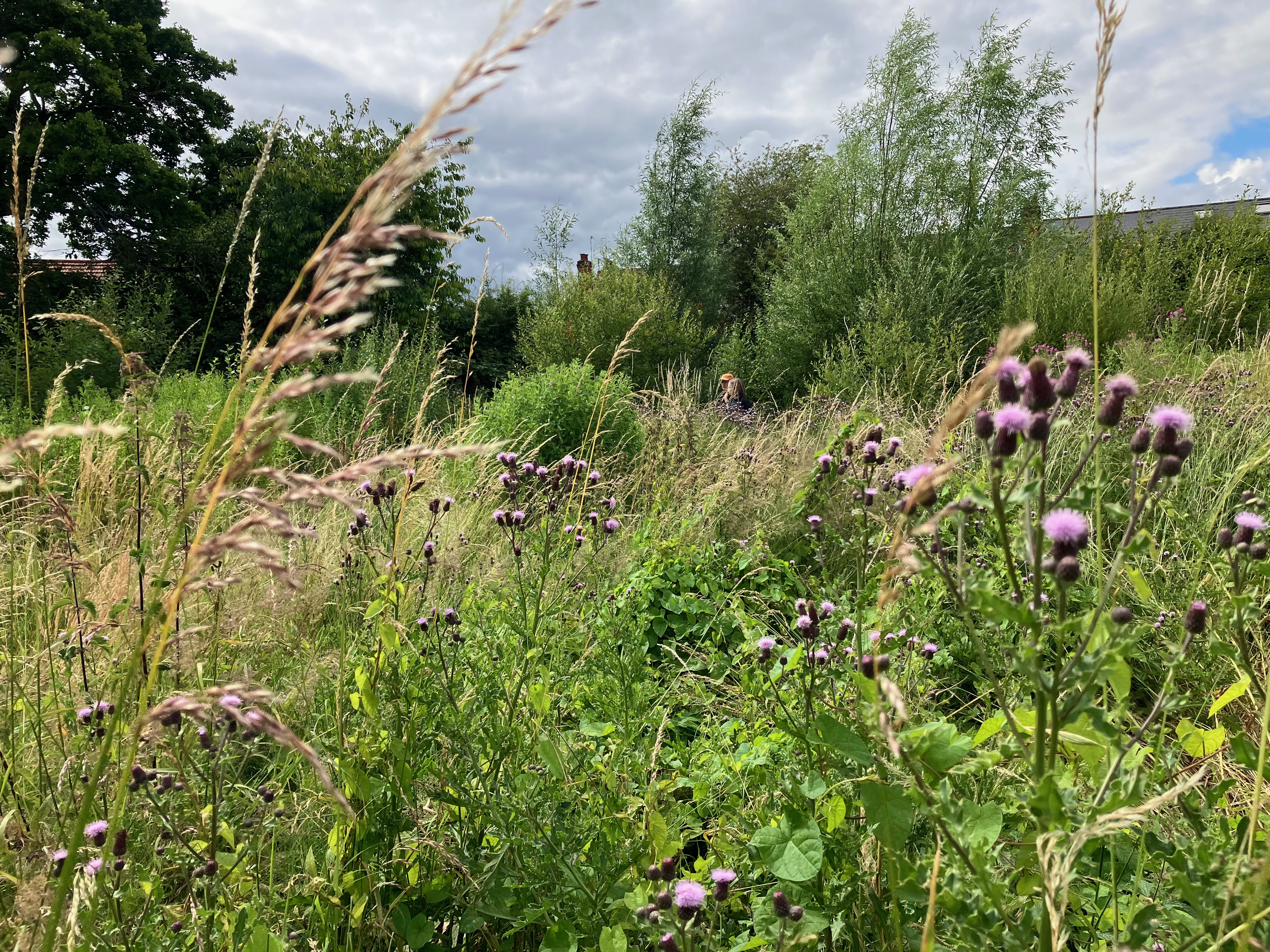
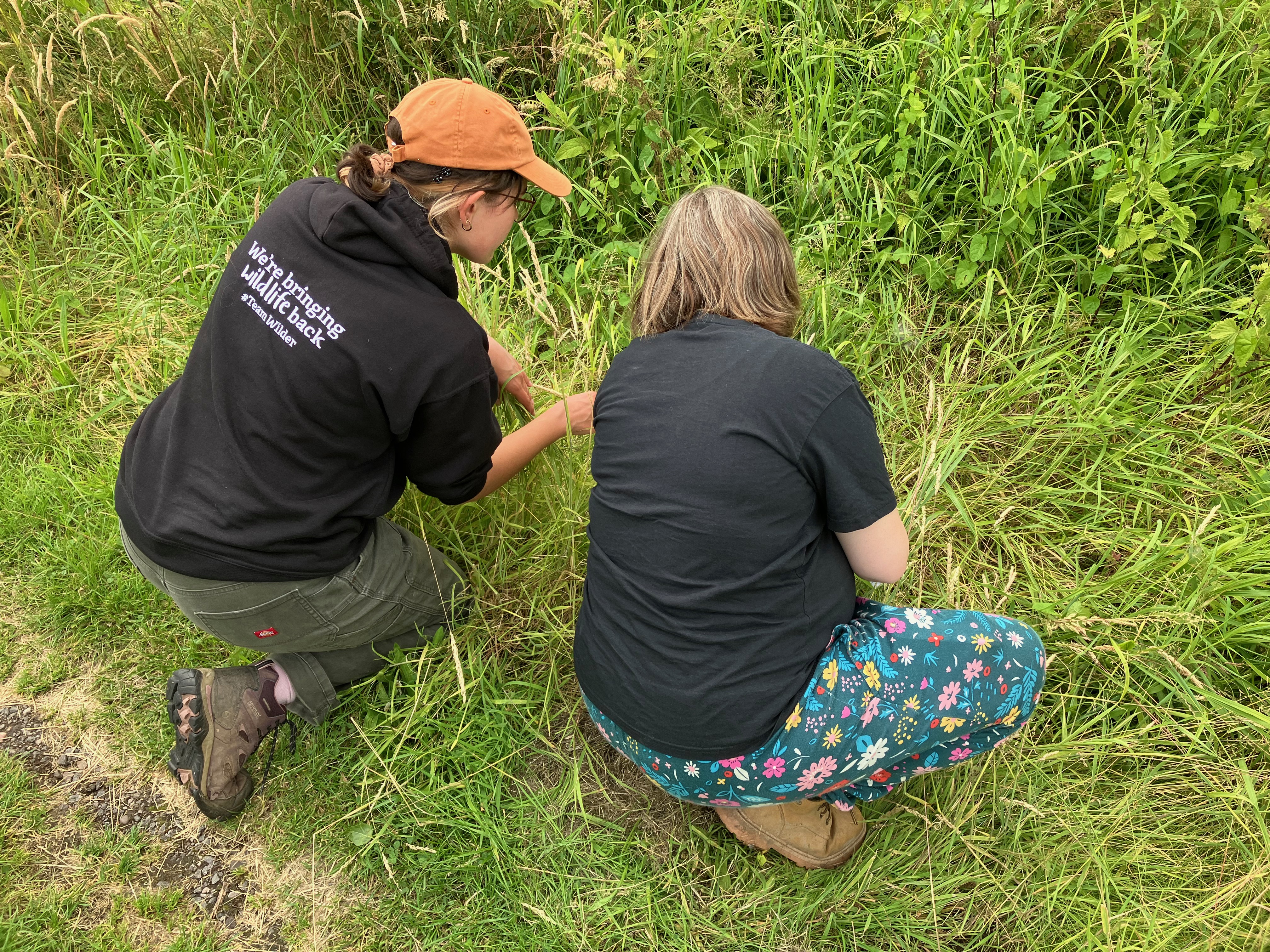
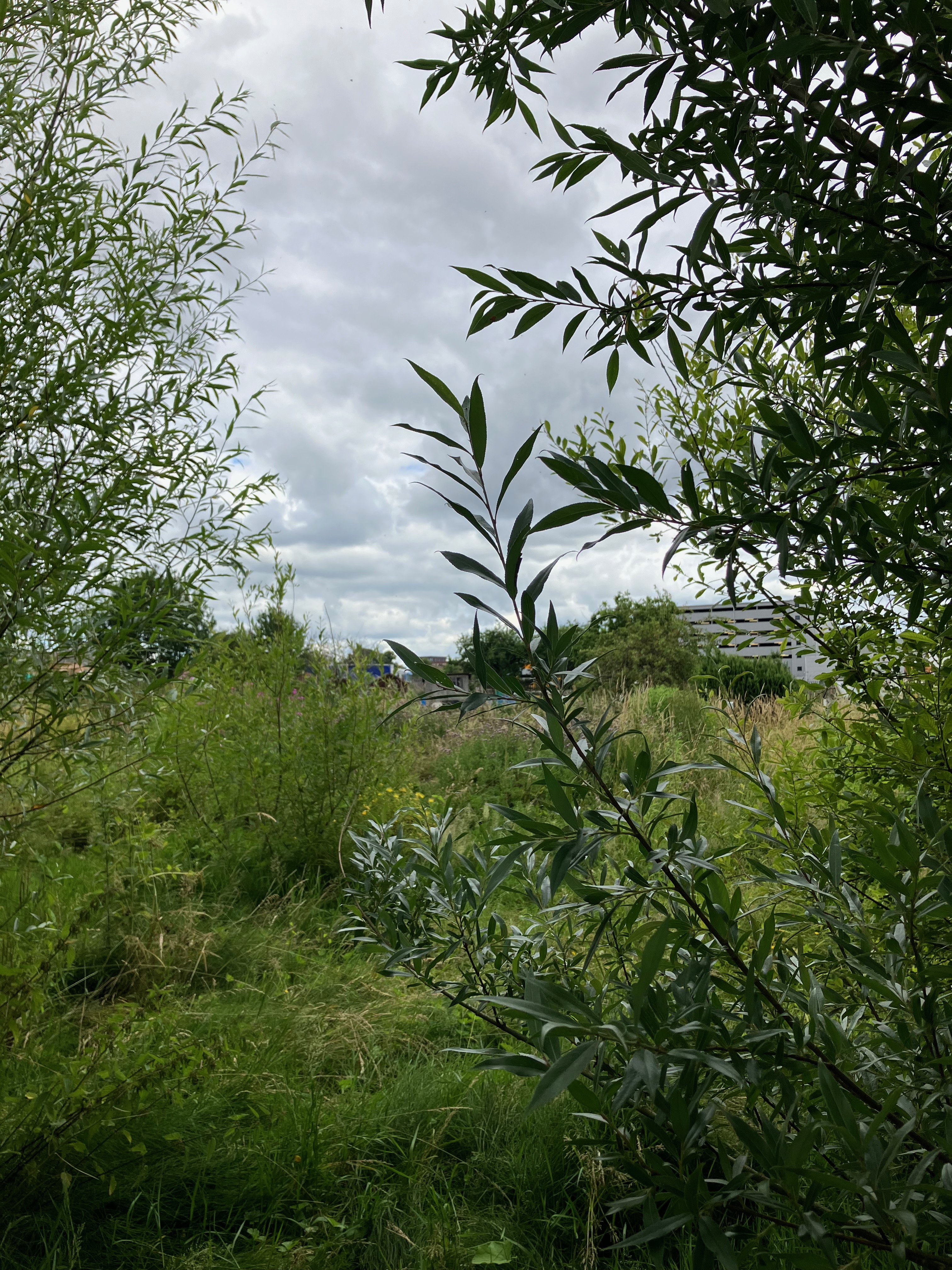
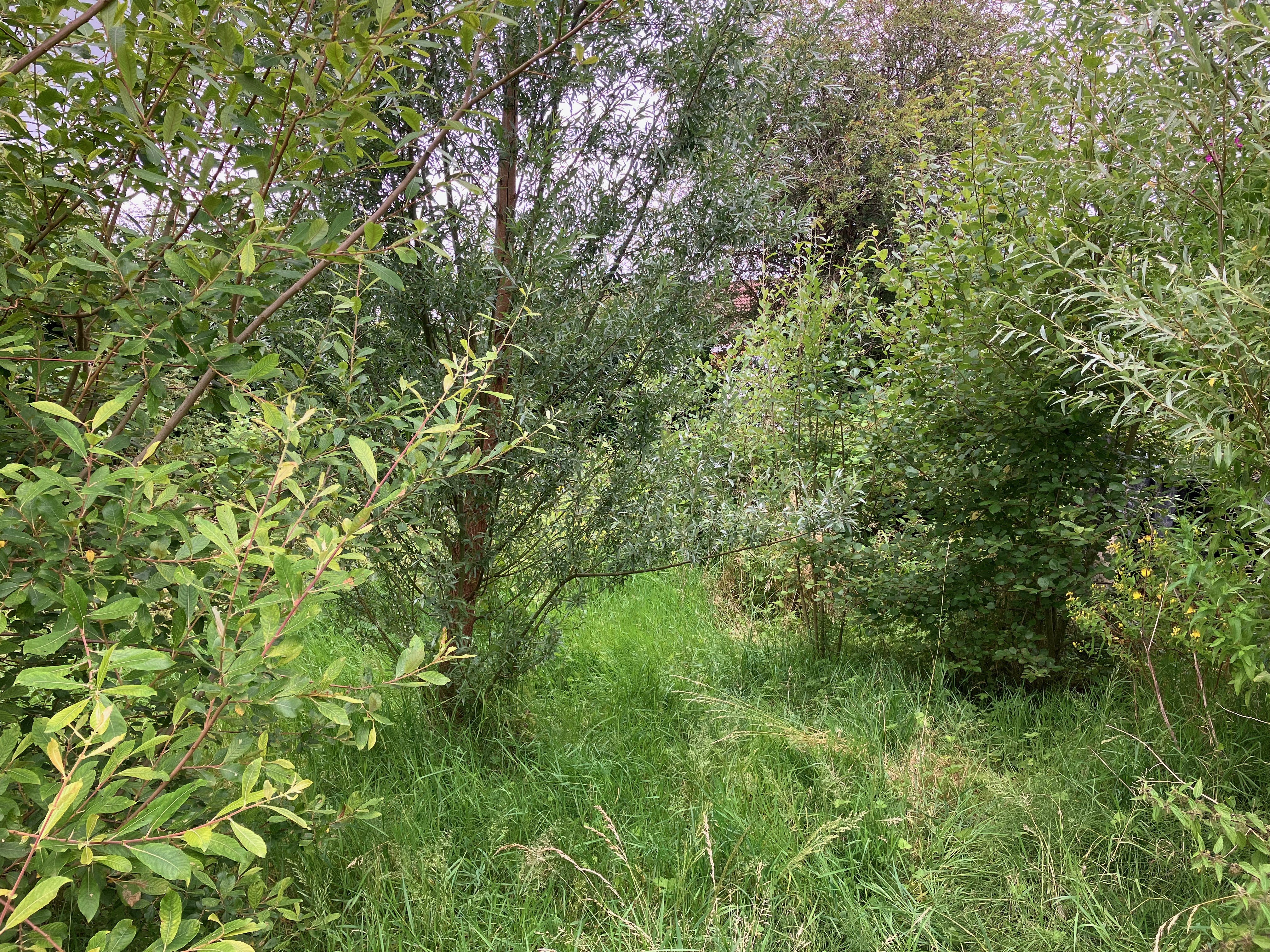
It already feels beautiful and secretive: at one point a shaft of sunlight broke through the cloud and, just for a moment, illuminated lush fresh green grass between the willows. In the tangle of plants, we saw lots of tiny frogs – although they moved too fast to catch in a photo; hoverflies and various other pollinators; and a number of nursery web spiders (Pisaura mirabilis) – one carrying her egg sack, several within new silk webs and one web where the baby spiders had already hatched.
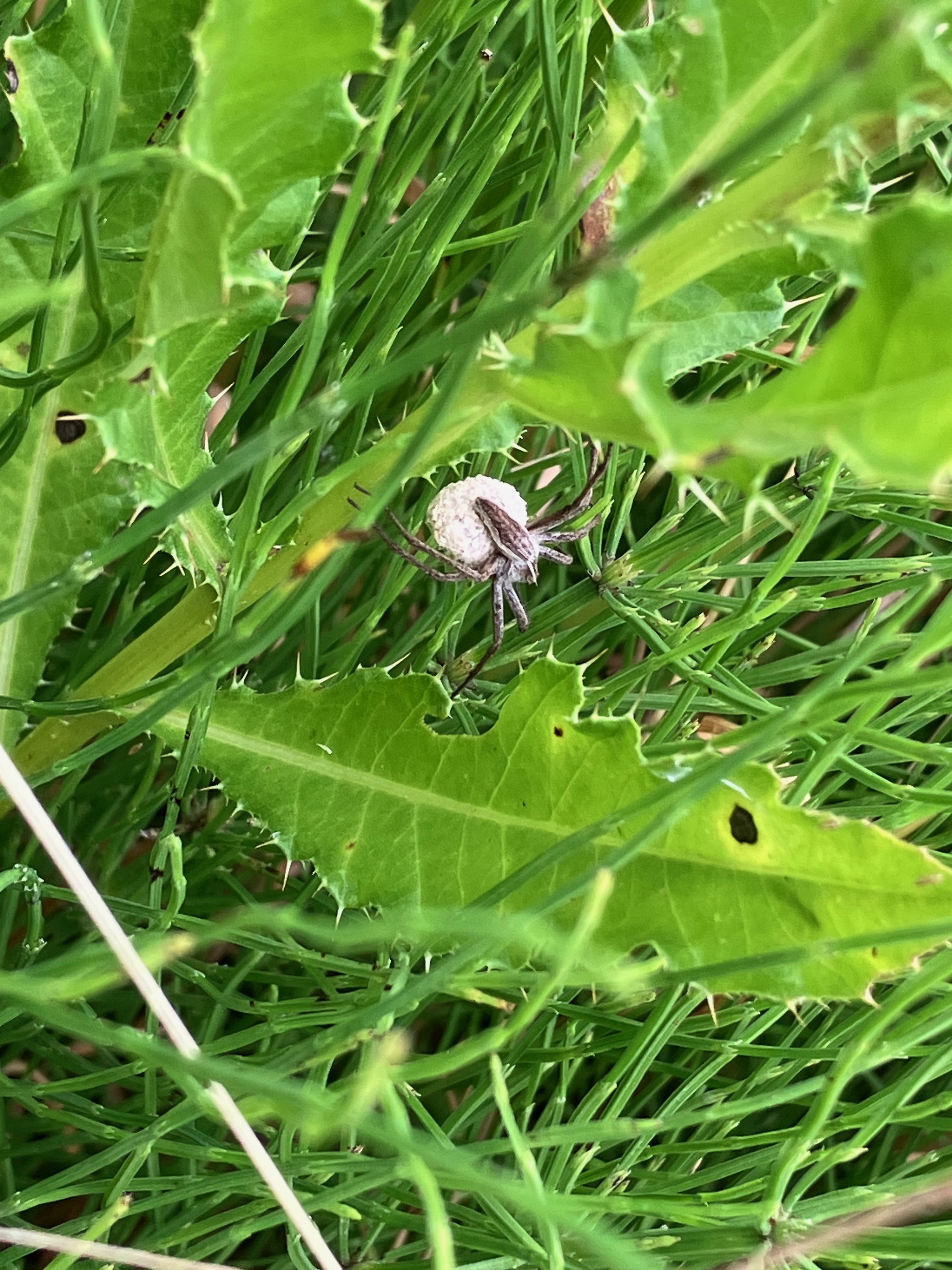
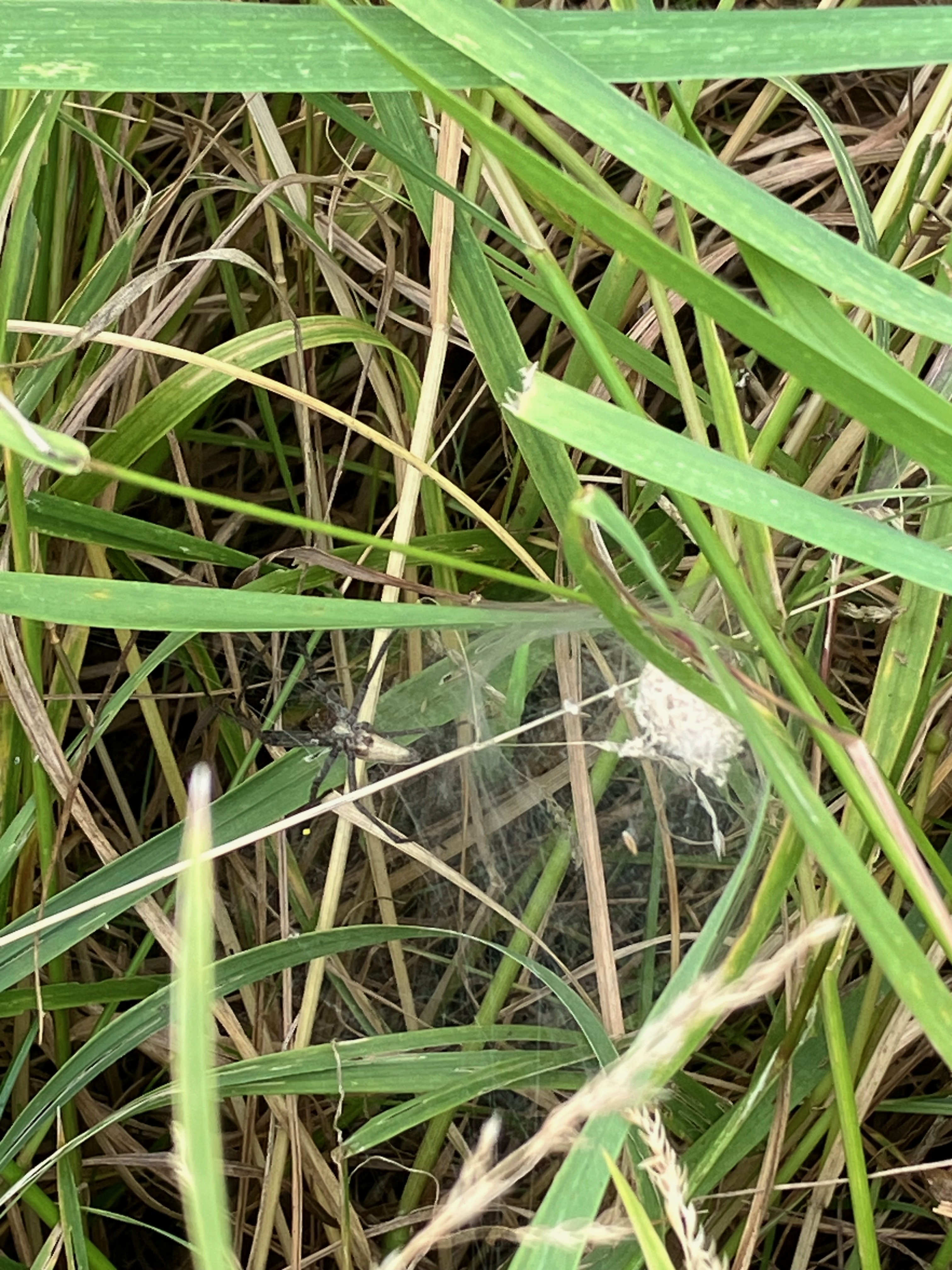
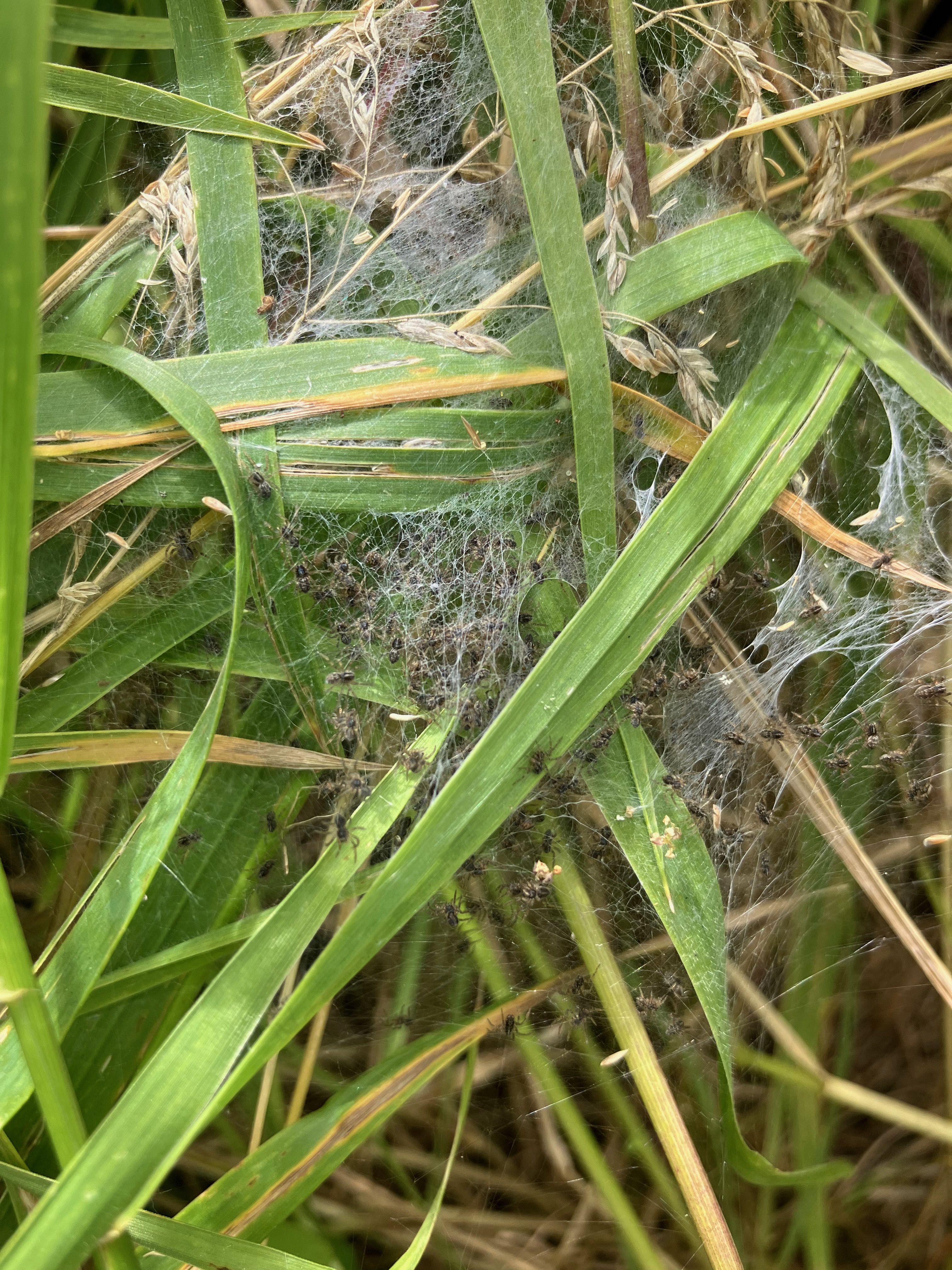
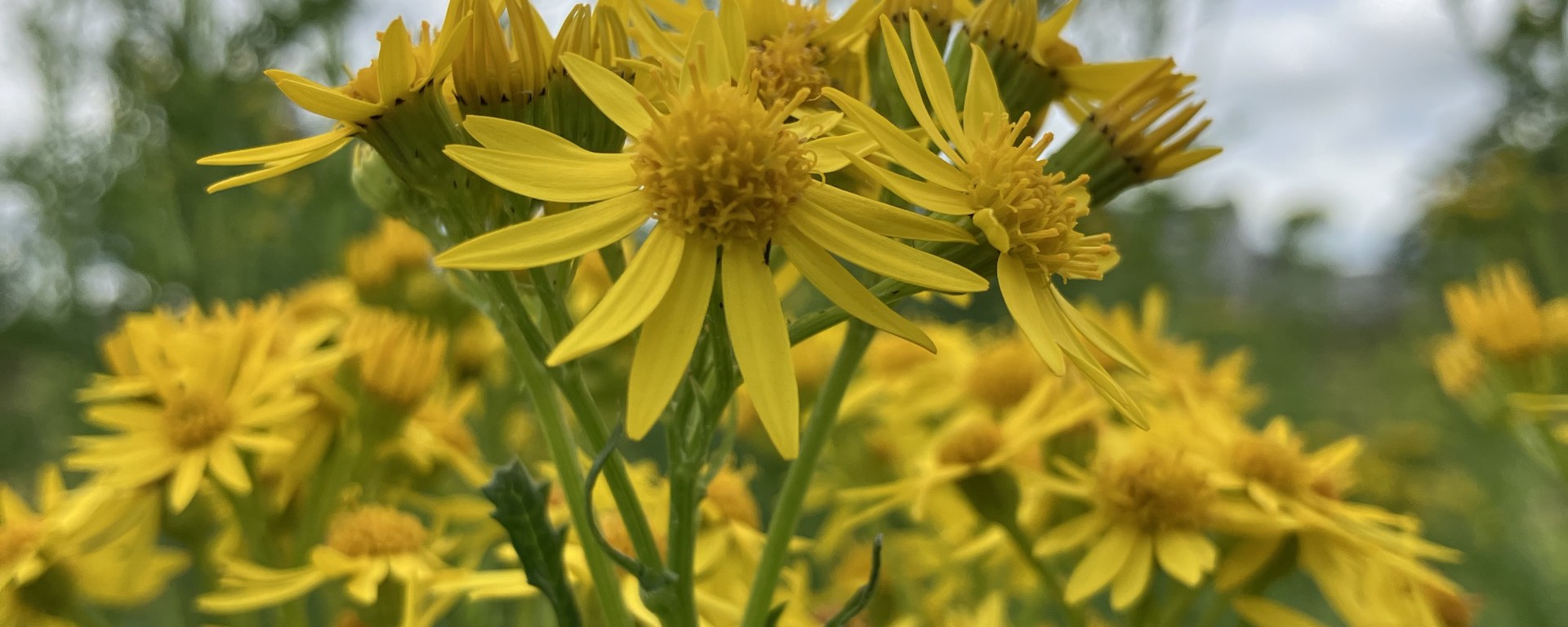
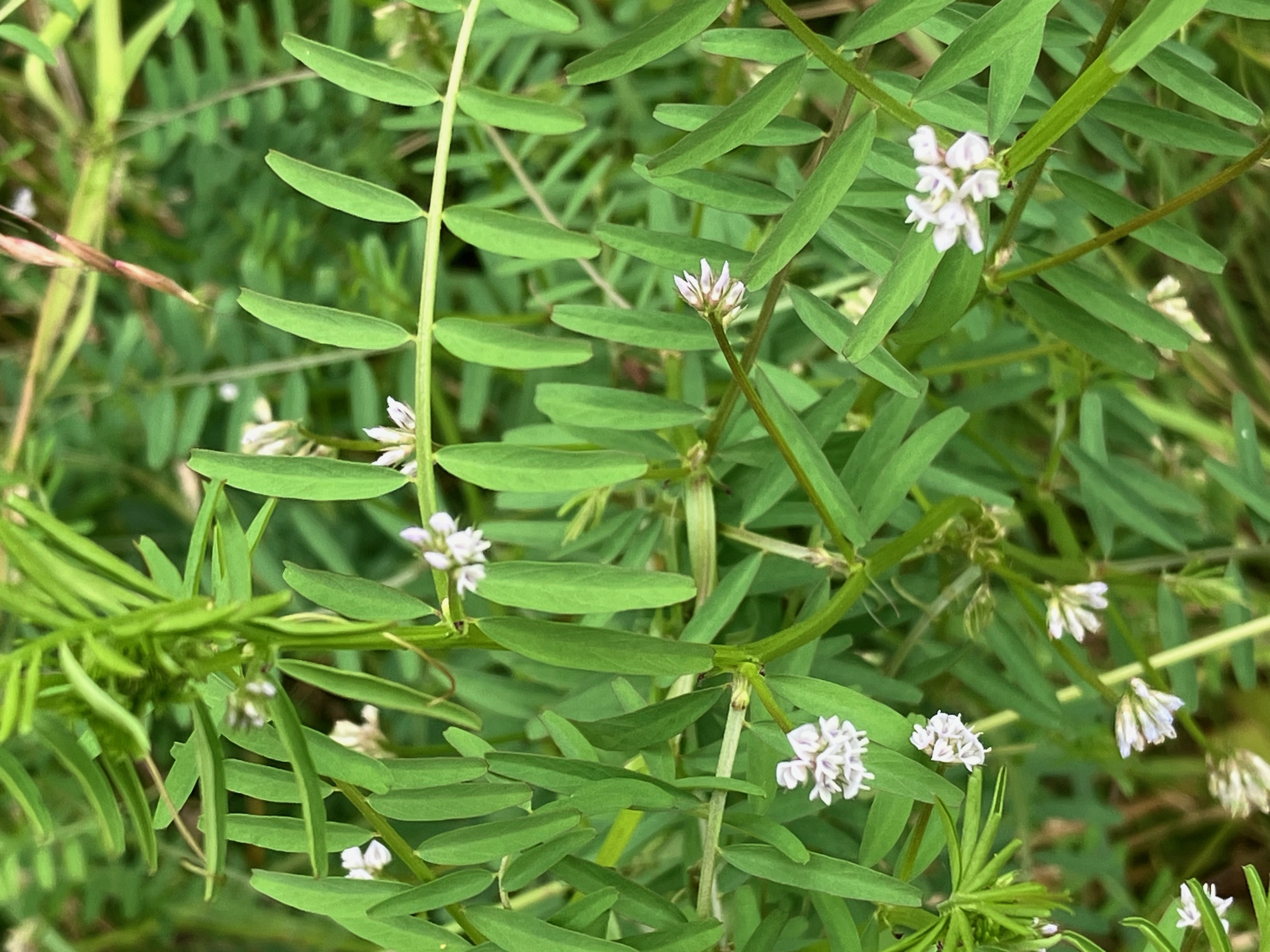
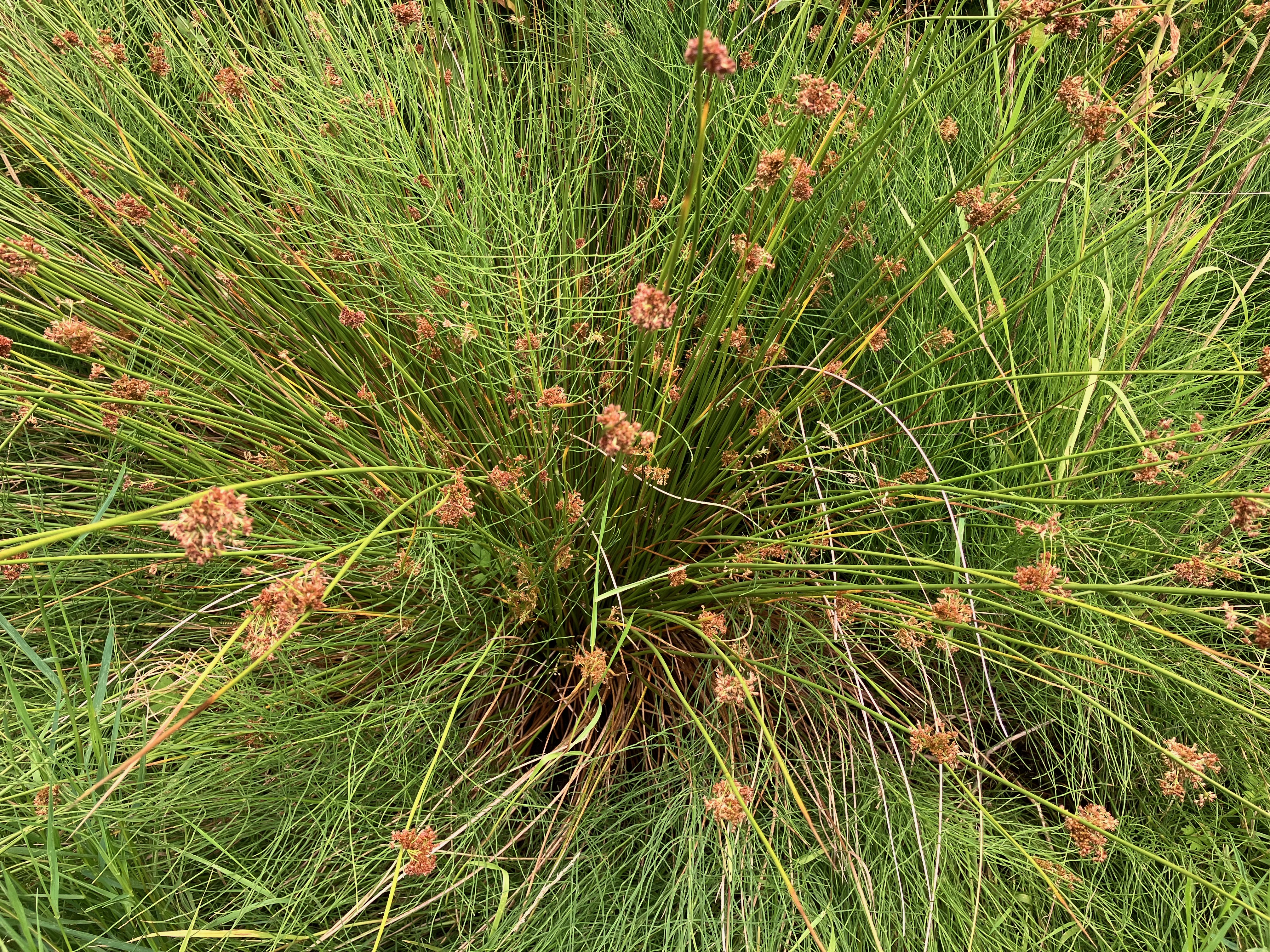
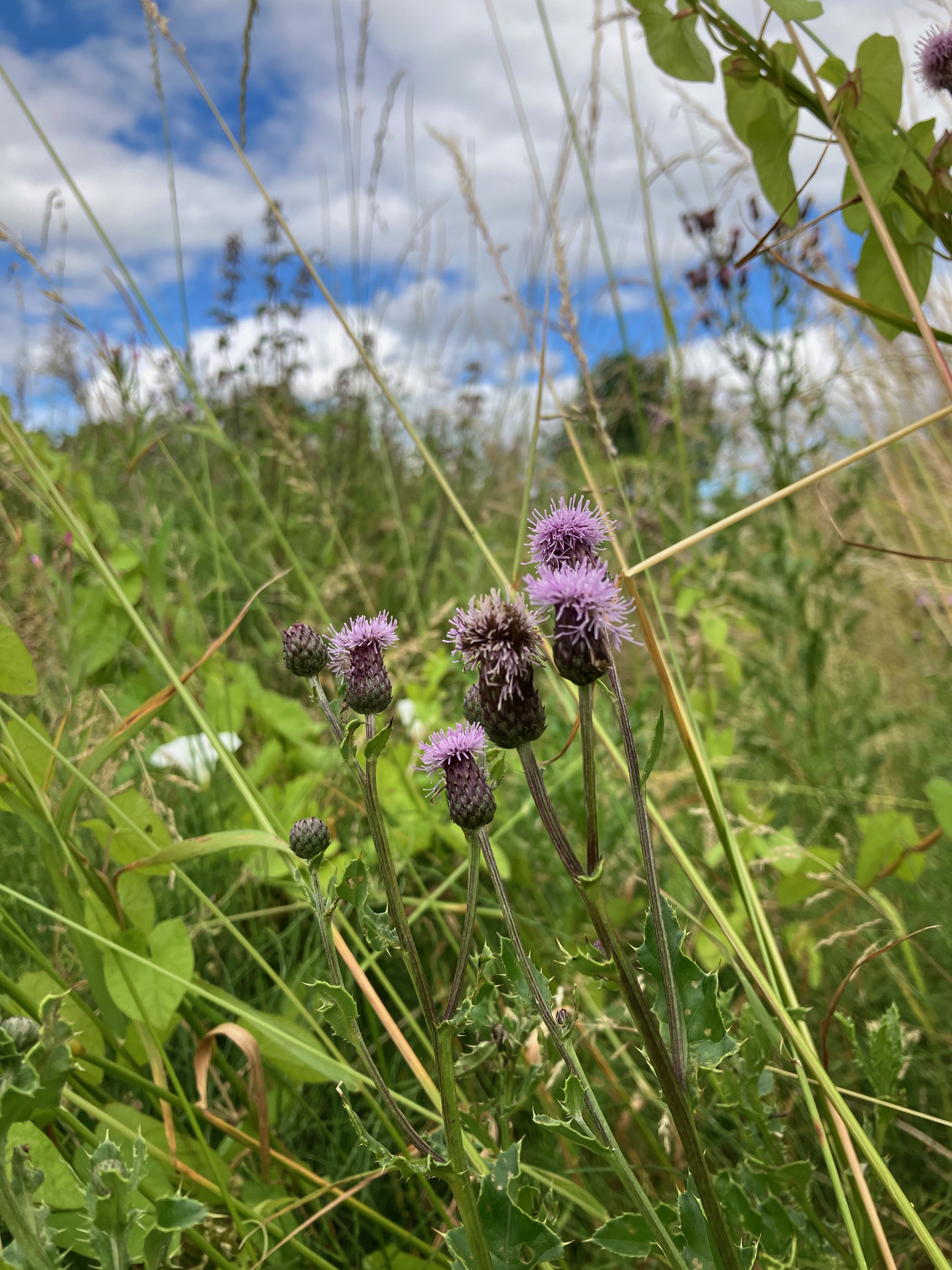
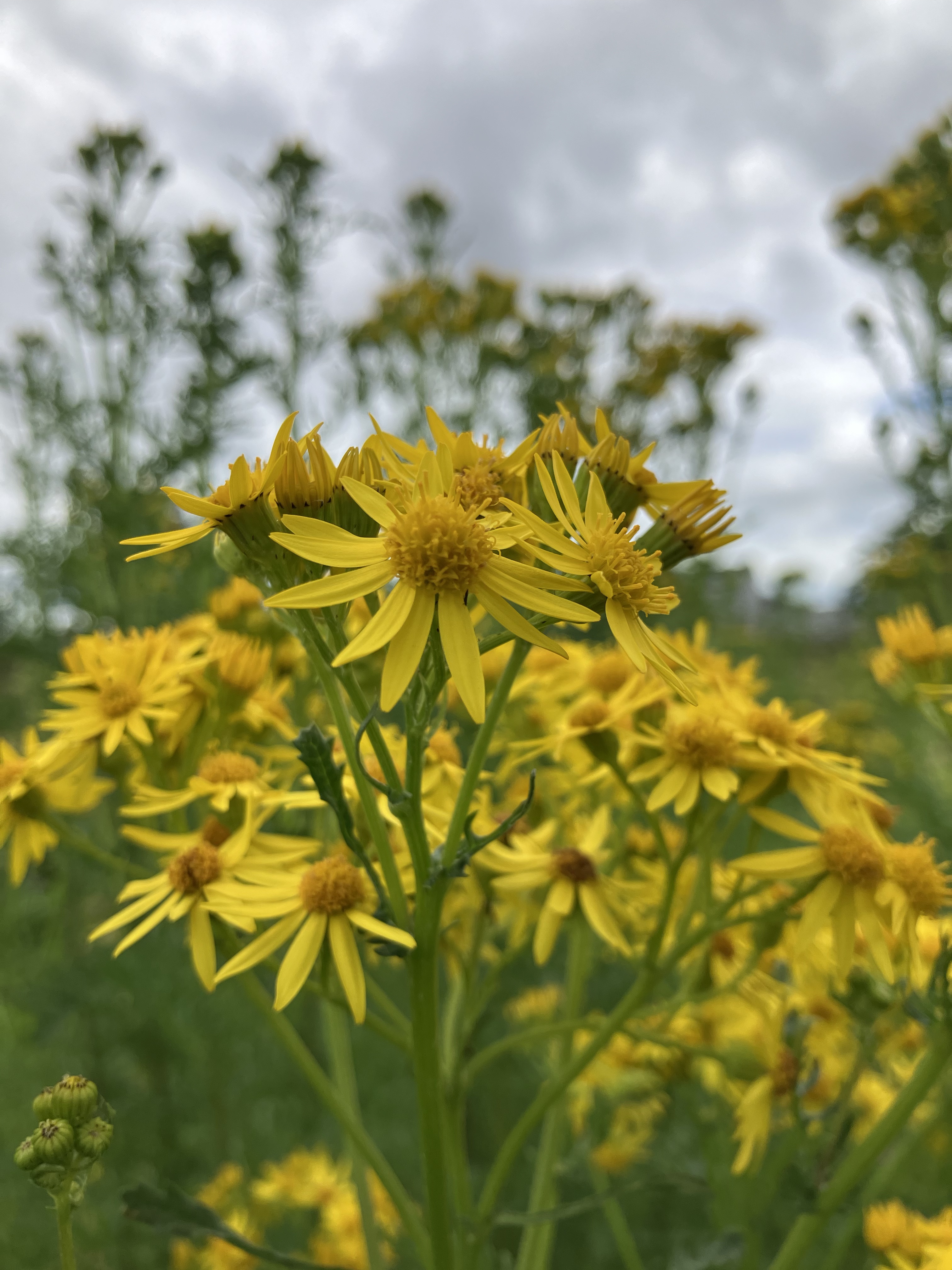
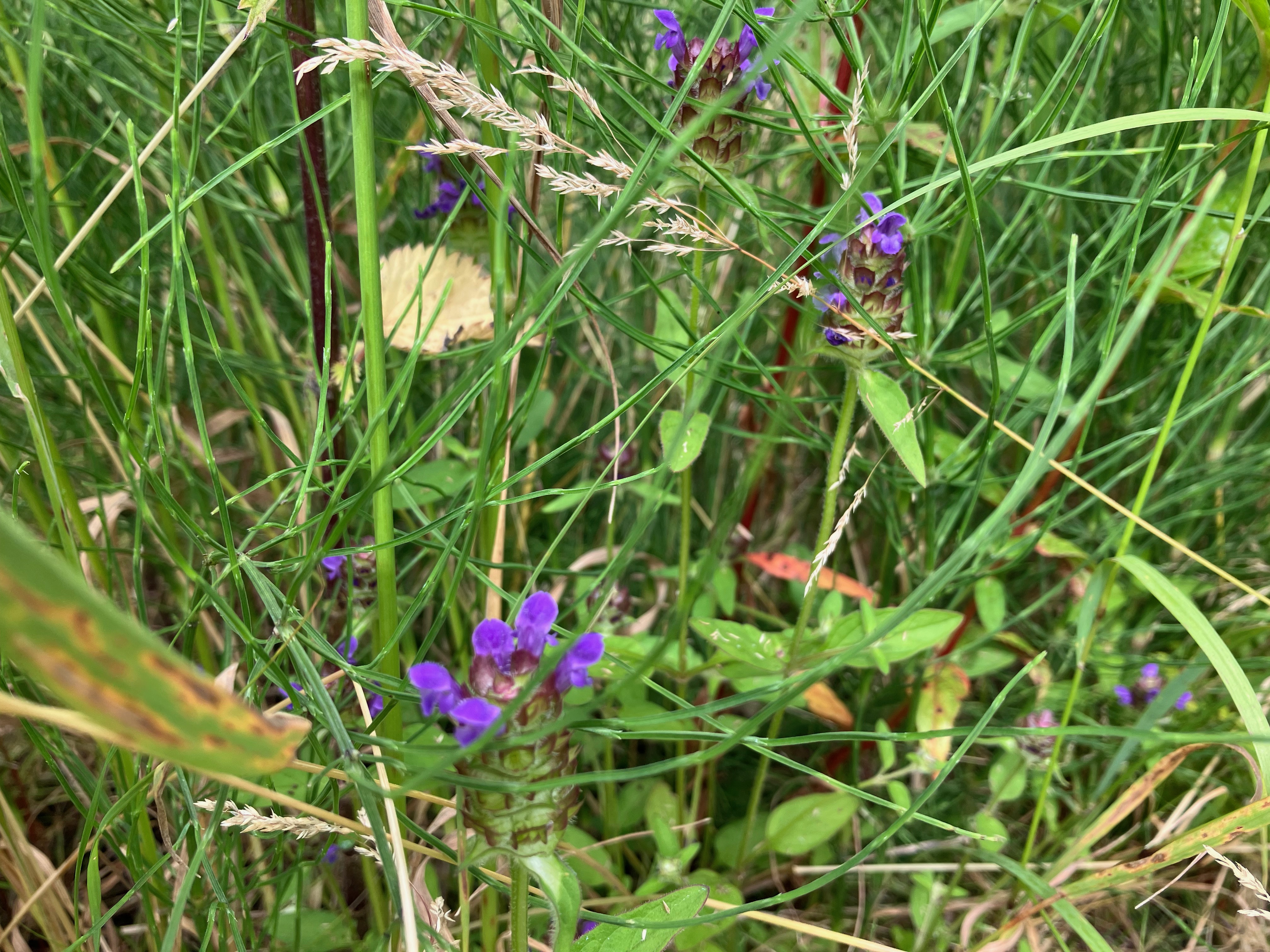
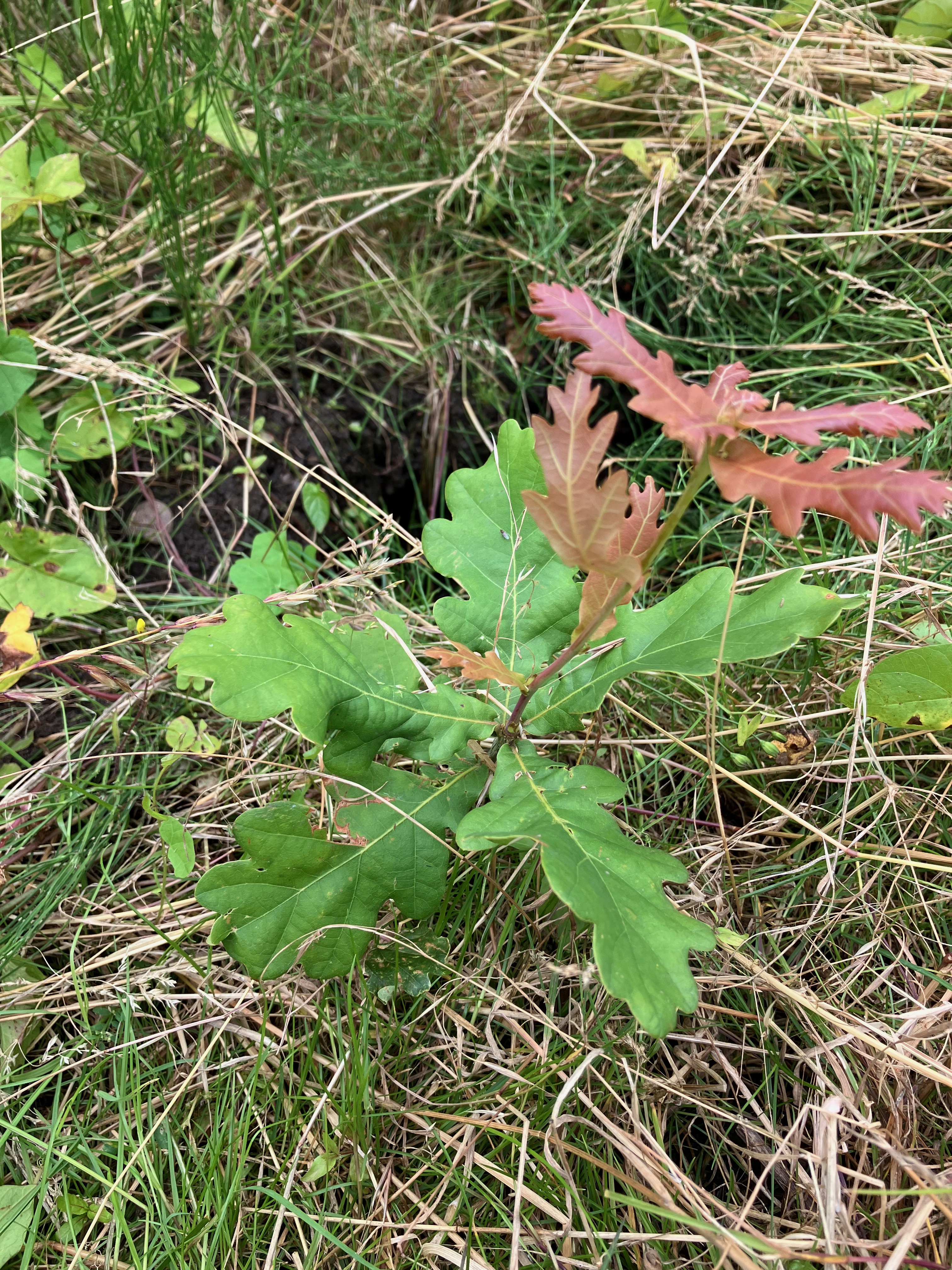
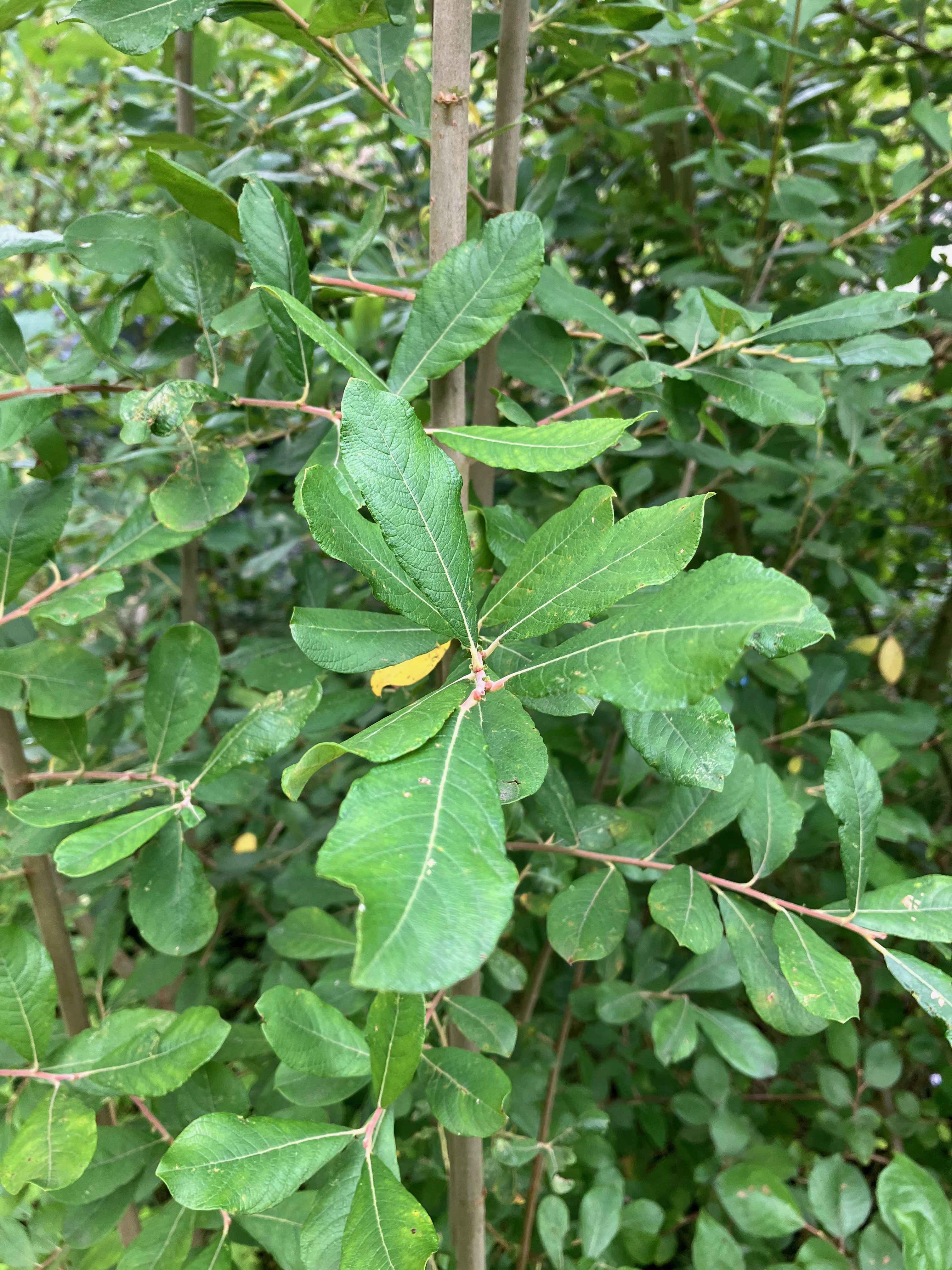
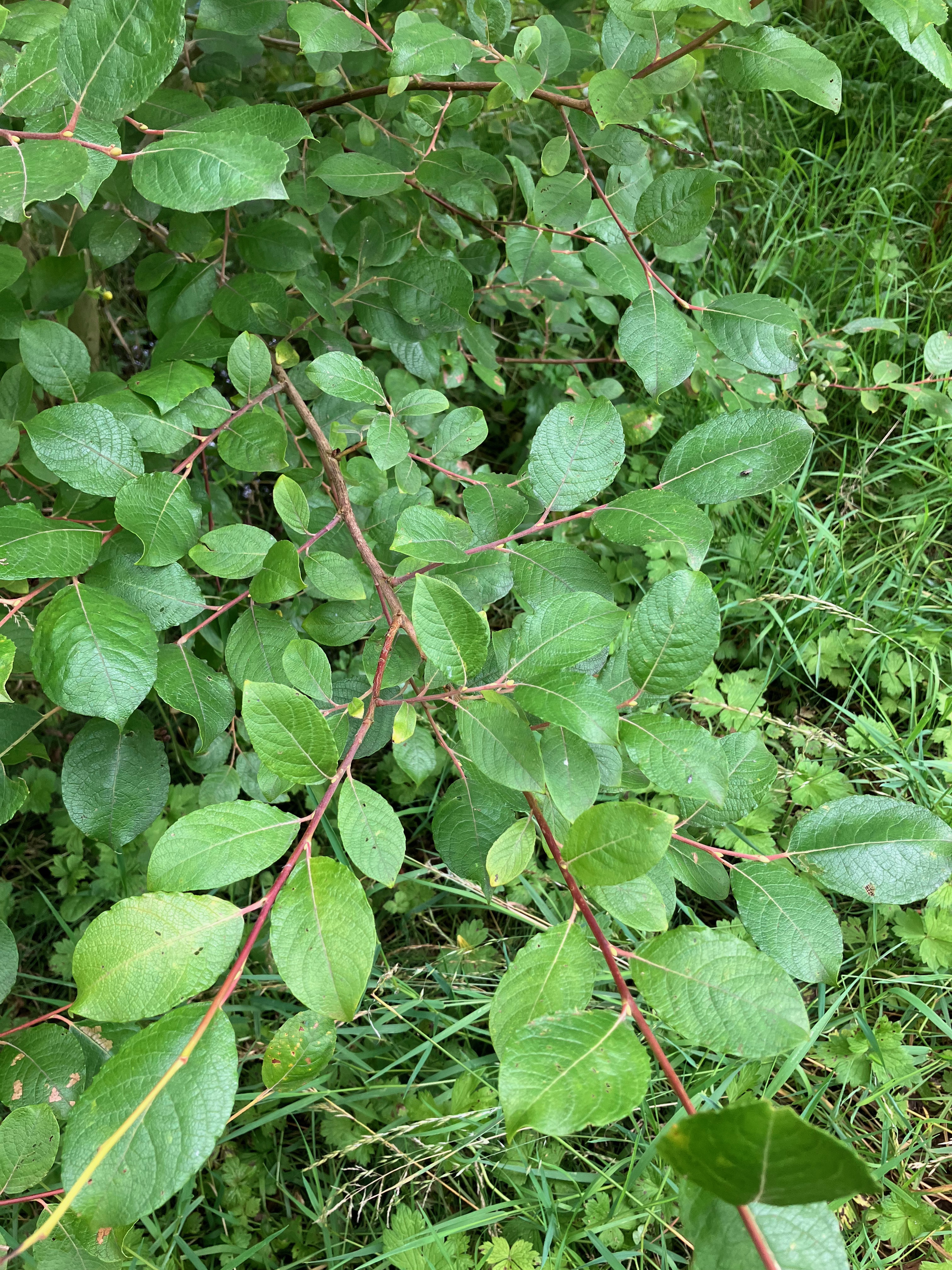
We spotted tiny vetch (Vicia hirsuita), soft rush (Juncus effusus), Pendulus sedge (Carex pendula), Creeping bent (Agrostis stolonifera), Creeping thistle (Cirsium arvense), Common ragwort (Senecio jacobaea), Selfheal (Prunella vulgaris); and an oak (Quercus robur) sapling – as well as several different varieties of willow (Salix – possibly S. bebbiana, S. cinerea, S. alba).
We had a really useful conversation – with Katie and Debbie promising to go away and chat with colleagues about how we might be able to work together on habitat creation and putting an achievable maintenance plan together.
 Urban Allotment: climate resilience & community